Skip to content

Our approach

Two traditions,one curriculum

A contemplative lineage that is centuries old, and a measurement practice that is two decades old. Neither is decoration for the other.

Two traditions

What each one brings.

What Bhutan already holds

01

The sources

The practices taught at BGLI come from the Bhutanese Buddhist contemplative tradition as it is held today at monastic and lay institutions across the country — shamatha attention training, analytical meditation, and the compassion practices that give the tradition its ethical spine. They are taught as method, without requiring belief.
02

Gross National Happiness as governing philosophy

GNH is not a mood measured once a year. It is nine domains, thirty-three indicators, a household survey, and a screening tool that a proposed policy must pass. Leaders trained here learn to work the instrument, including its limits.

03

What is actually practised

Ten to twenty minutes of daily seated practice; a short pause protocol before consequential meetings; a weekly written decision review; and a compassion practice used deliberately in conflict, not as sentiment.

04

Why it is taught in Bhutan

Because the tradition is living here and the city is being built here. The same practice taught in a hotel conference room is a different, thinner thing.

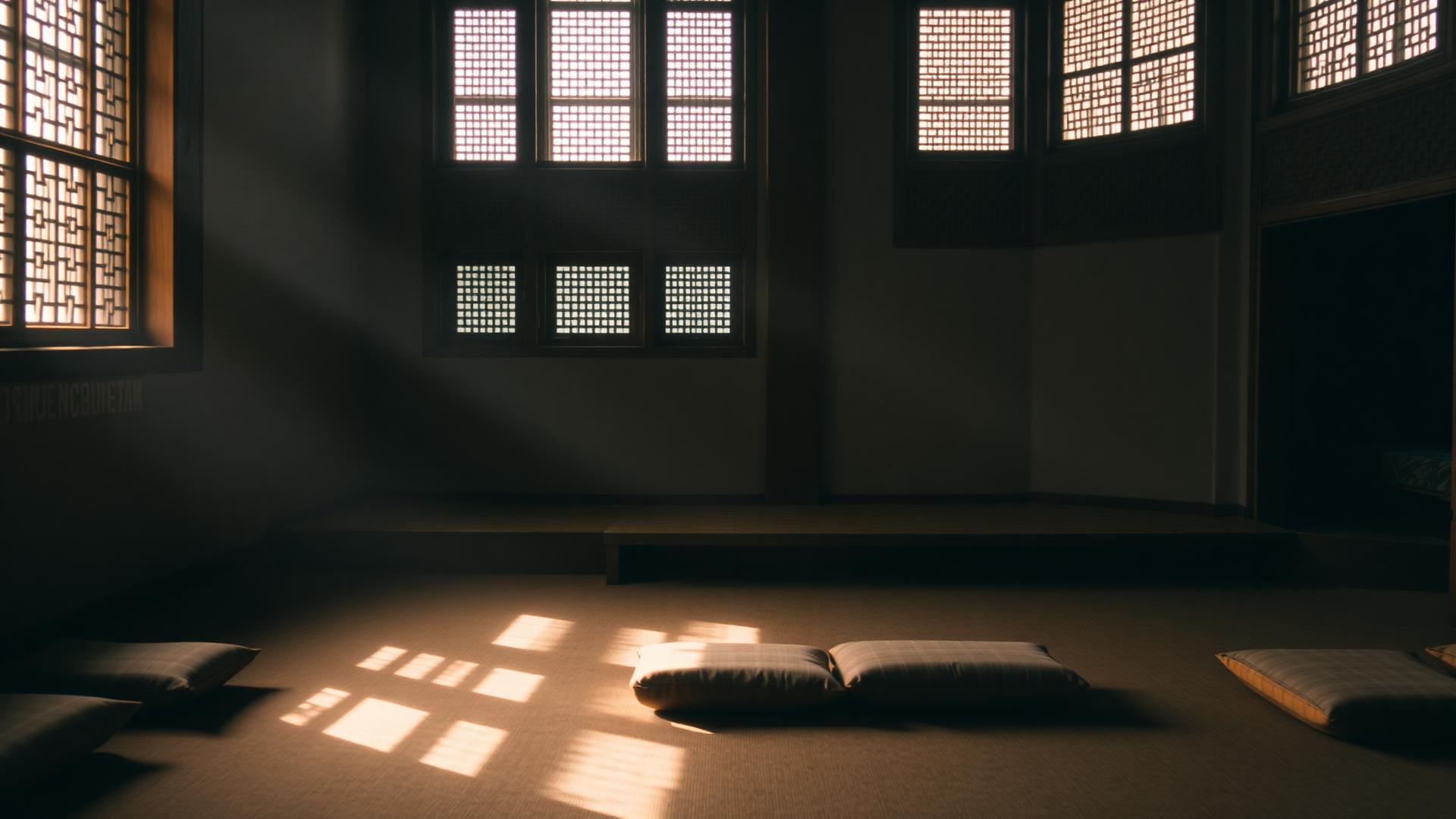
An empty practice hall in morning light

The same practice taughtin a hotel conference roomis a different, thinner thing.

Why it is taught in Bhutan

The integrated arc

Five stages,threaded on one line.

  1. 01

    Diagnose

    Baseline measurement and one written decision each participant is carrying.

  2. 02

    Settle

    Attention training and the physiology of load. No strategy content at all.

  3. 03

    Instrument

    Strategy, governance and economics against real mandates.

  4. 04

    Apply

    One change made inside the participant's own institution.

  5. 05

    Review

    Measurement repeated at six months, with the participant's supervisor.